
Rangers Roads - September 2 - Operation Medusa
/By: LCol (Ret’d) Phil Halton, CD, PhD, FRAS, CWO (Ret’d) Dave Goldenberg, CD (Former Ranger RSM) and Cpl Matthew Wood, CD, MPPAL (Sgt Retired)
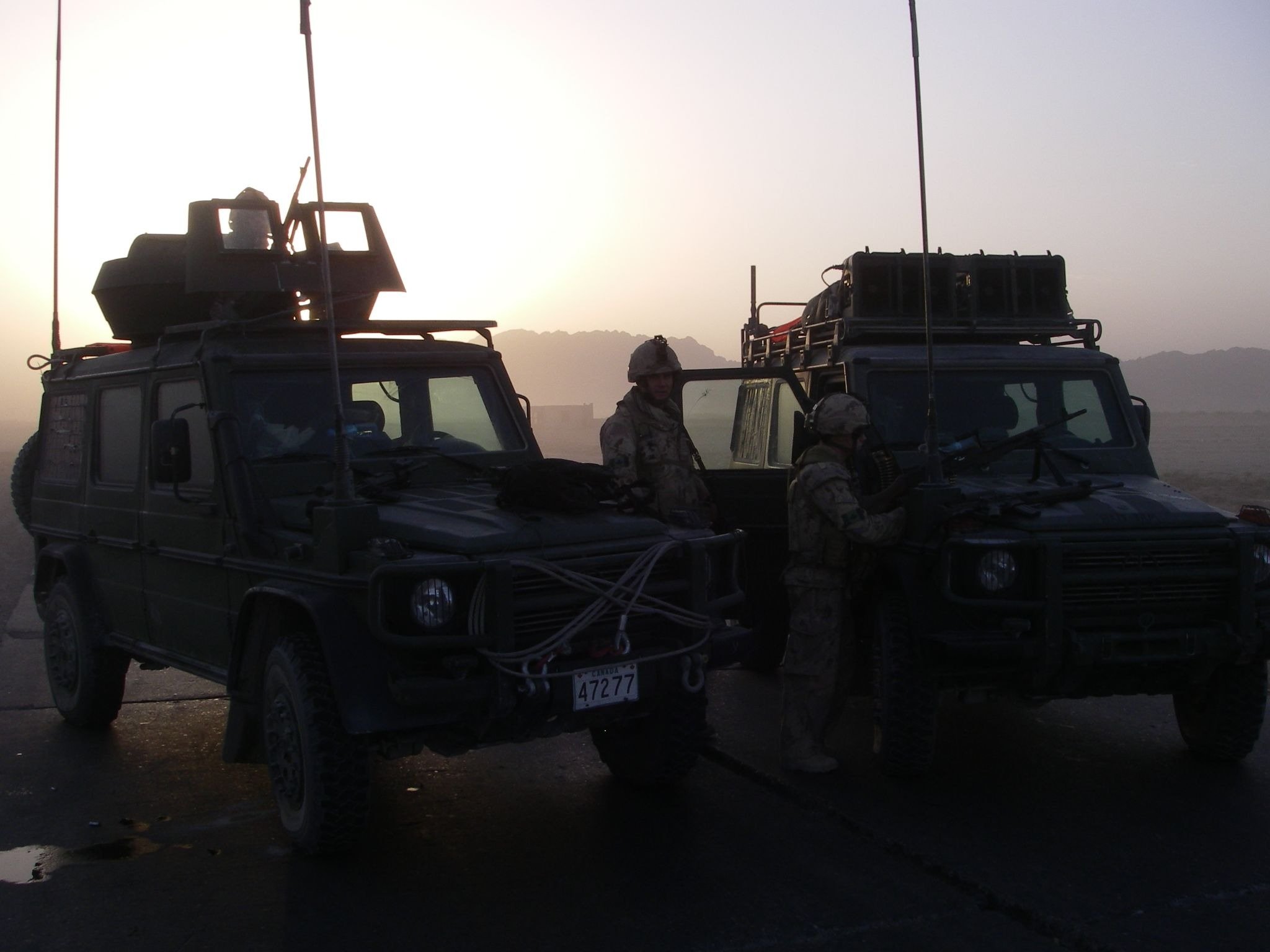
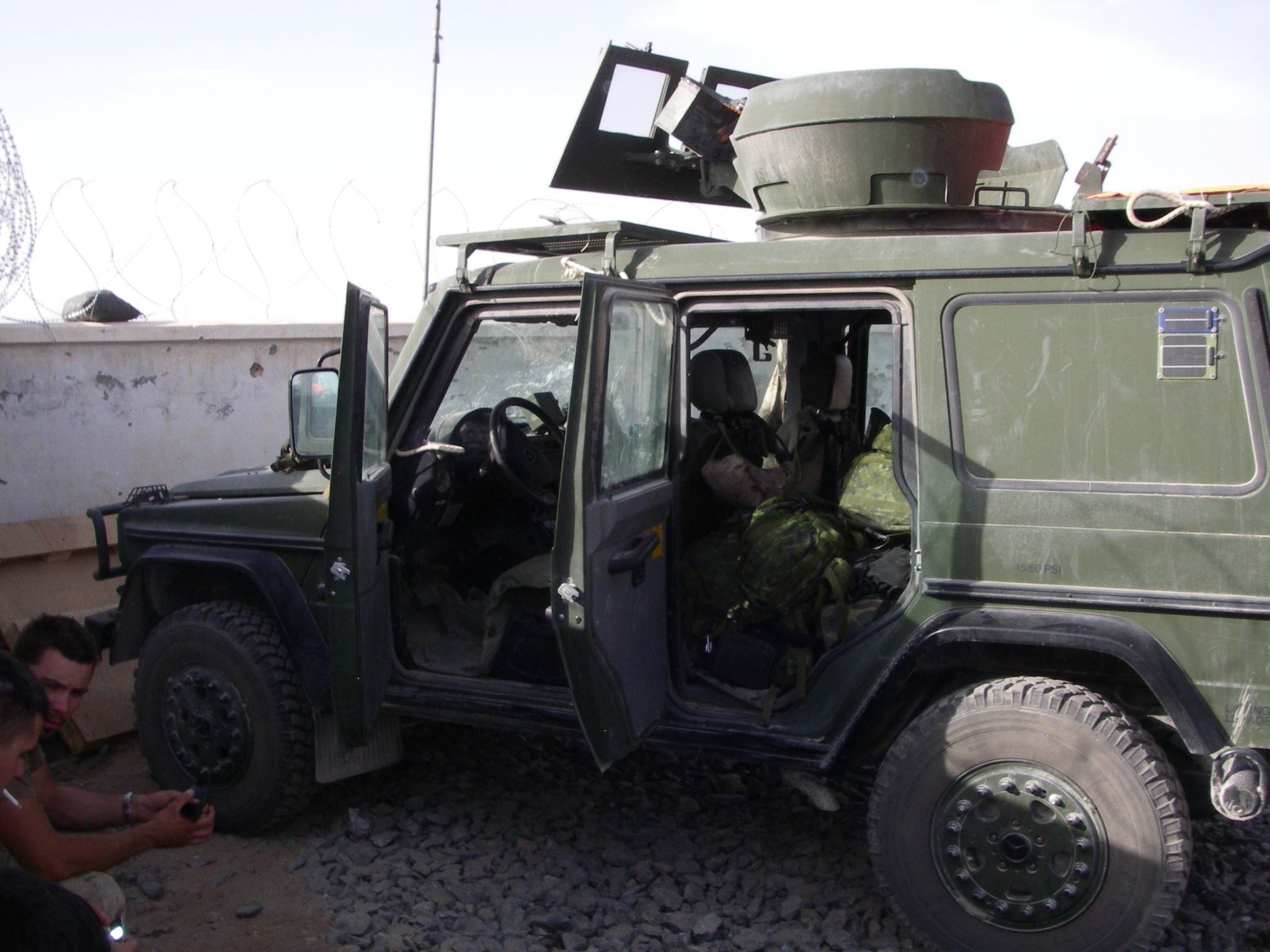
Today is the 20th anniversary of Operation Medusa, a Canadian-led operation in the Zhari and Panjawi districts of Kandahar province in Afghanistan from September 2nd to 17th, 2006. The 1st Battalion of the Royal Canadian Regiment (1RCR) Battle Group (BG) primarily carried out the operation, supported by the Afghan National Army and the United States' 3rd Special Forces Group. Many members of The Queen’s York Rangers were in Afghanistan at the time, however, WO Goldenberg (CWO Retired and former Ranger RSM) and Cpl Wood (Sgt Retired) were directly attached to the 1RCR BG Task Force 3-06 (TF 3-06) Headquarters. Both were members of the Tactical Psychological Operations (PSYOP) Team, who moved through the area of operation (AO) in two G Wagons
The operation started with an air offensive, with ground forces stationed in the north and south of the Panjawi district to create a pincer-like formation. The Canadian-led forces were faced with stronger than expected resistance from the Taliban fighters who, rather than retreating from the area, dug into pre-built defensive positions, laying traps for the incoming coalition troops. The objective was to capture a sub-district of Zhari known as Pashmul. Charles Company of the 1RCR BG was ordered to advance on Pashmul, 3 days earlier than originally planned. This initial engagement resulted in a Taliban ambush which ended with the deaths of four Canadian soldiers (Pvt William Cushley, Sgt Shane Stachnik, WO Frank Mellish, and WO Richard Nolan), nine wounded and several vehicles destroyed.
During the initial stages of the operation, the Rangers attached to the PSYOP team, were given the task of setting up a traffic control point (TCP) on the west side of highway 1, which was essentially the northern line of departure (LOD) of the operation. Initially, the five man team was strengthened by a section of Afghan National Police (ANP). However, the ANP left when it became dark, saying it was because it was too dangerous “at night”, leaving the PSYOP team to hold the position on their own. The next day the team was reinforced by Canadian military police, then eventually relieved by a platoon from B Coy 1RCR. Within moments of leaving, the position was attacked by a 88mm recoilless rifle.
The day after the operation began, NATO estimated that 200 Taliban fighters had been killed with 80 being captured and 180 fleeing the area. During the first day a British RAF Nimrod crashed during a reconnaissance mission, killing all 14 of its crew.
On the 4th of September, tragedy struck when an American A-10 Thunderbolt II mistakenly attacked Charles Company as they were preparing to re-engage Taliban forces in Pashmul. The pilot had mistaken a flaming garbage pile for a smoke marker that was dropped to locate Taliban fighters. This attack resulted in the death of one Canadian soldier Private Mark Graham, with many others wounded. During this time, Canadian and Dutch artillery and Coalition airstrikes killed at least 51 Taliban fighters and trapped roughly 700 in the area between Zhari and Panjawi.
After the friendly fire incident, Charles Coy was deemed “combat ineffective” due to the large number of casualties. At this time, WO Goldenberg, Cpl Wood and the PSYOP team were attached to the US Task Force Grizzly, led by the charismatic Col Steve Williams. Task Force Grizzly, with remaining elements of Charles Coy and other Canadian units, took up the fight against the Taliban. The Rangers present participated in the eventual taking of Objective Rugby,
On September 5th, five 1RCR soldiers were wounded during an ambush when their Light Armoured Vehicle (LAV) was hit by a rocket. During this time the Coalition artillery and airstrikes continued, killing another roughly 40 Taliban members who were attempting to break through the Coalition lines.
Over the course of September 8th and 9th, fighting erupted, with 40 militants being killed as well as one American soldier. The fighting resulted in the destruction of multiple Taliban positions including a bomb-making factory and a weapons cache, allowing the coalition forces to occupy parts of Zhari and Panjawi. From the 9th to the 10th, fighting started again and according to NATO reports, almost 200 enemy combatants were killed in the two districts after an attempted counterattack was repulsed.
Over the next four days between September 11th and 14th, Coalition forces moved through Pashmula as it appeared to have been abandoned by the Taliban. Troops cautiously moved house to house checking every corner, finding ammunition, rocket-propelled grenades, bunkers and tunnels. It had been expected that the remaining Taliban militants were going to fight until the last man but it was becoming clear that they had fled west towards the province of Farah. It was not until the 17th of September that victory was declared and that the Operation led by the Canadians had successfully ousted the Taliban from the two districts.
The day after the success of Operation Medusa was announced, a suicide bomber killed four Canadian soldiers in the Panjawi district, also wounding 10 soldiers who were then evacuated to Germany for treatment and 27 civilians, including children.
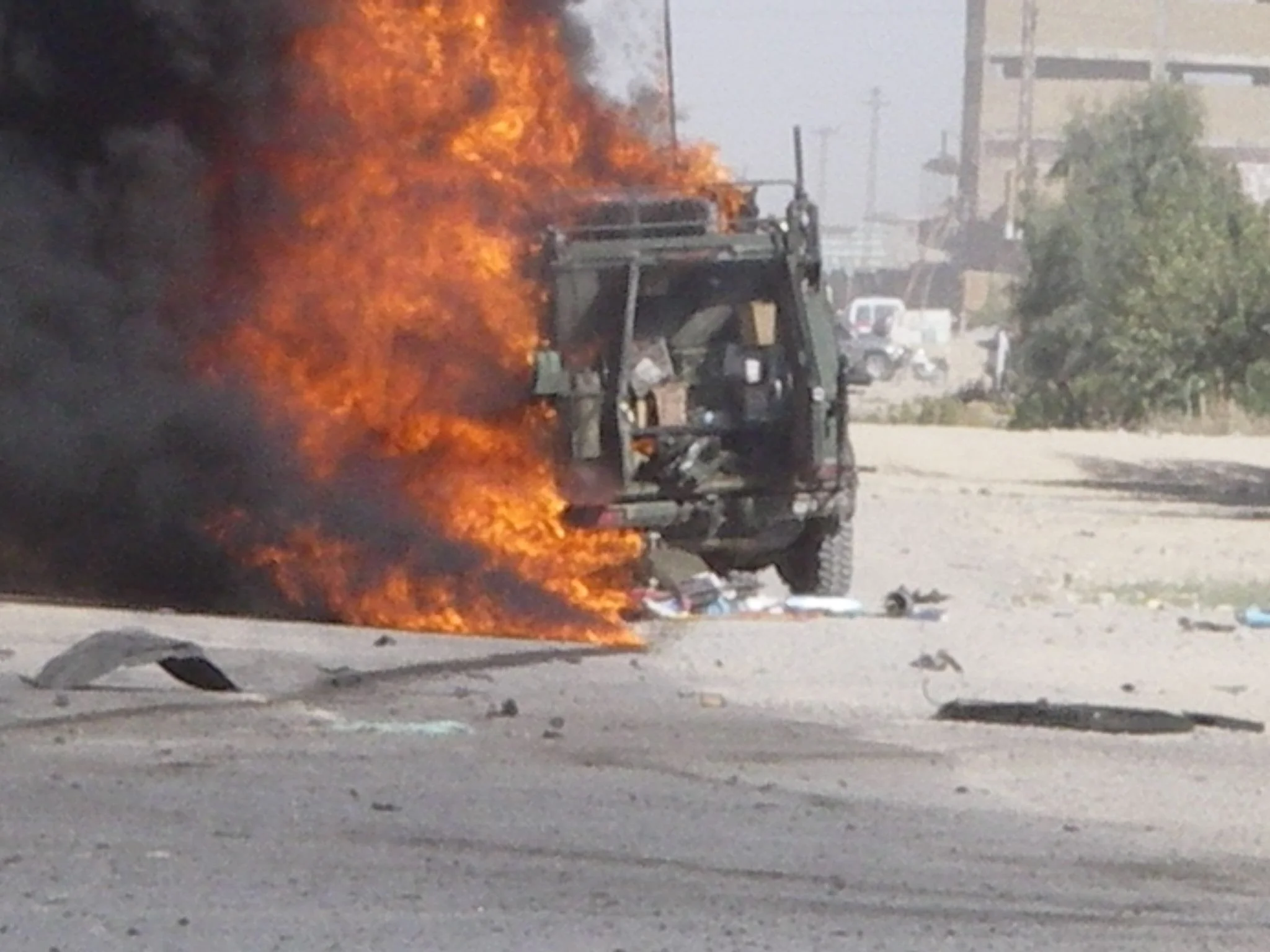
Throughout WO Goldenberg and Cpl Wood’s deployment during Op Madusa, they completed many tasks that went beyond the official end of the Operation, in many cases escaping disaster by moments. On October 3rd their team was finally relieved and instructed to head back to base at Kandahar Air Field (KAF). They attached themselves to a convoy that was heading back to KAF and started on their way. As they were entering the west edge of Kandahar City, the lead G Wagon was struck by a Suicide Vehicle Borne IED. Miraculously there were no major injuries, however the G Wagon was totally destroyed.
As mentioned, there were many other Rangers in Afghanistan and this is just one piece of our Regimental history.