The Queen’s York Rangers affiliate Green Howard Officer Appointed Field Marshal

The Queen’s York Rangers affiliate Green Howard Officer Appointed Field Marshal

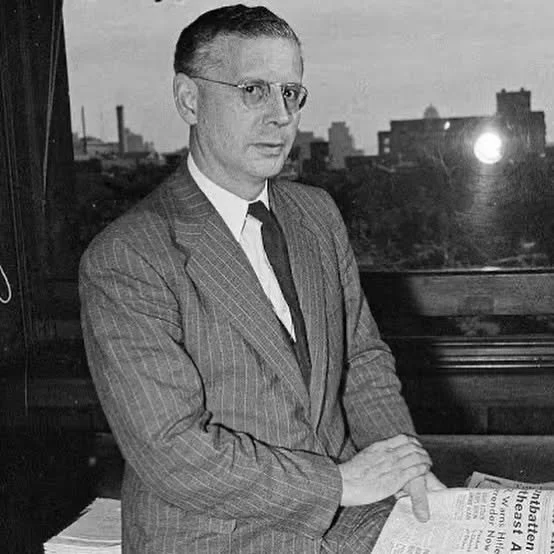
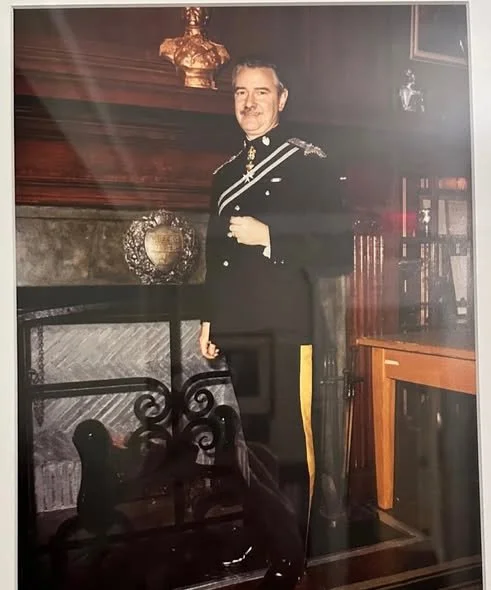
Lord Houghton of Richmond is one of two British officers appointed to the rank of Field Marshal last year.  Lord Richards of Herstmonceux was the other.  Both Field Marshals recently paraded at Windsor Castle on 17 February 2026 and were presented their Field Marshal Batons by HM The King.  The moment was shared on Facebook by Catherine, Princess of Wales.  Field Marshal Houghton is seen on the right side of the photo next to His Majesty.  Lord Richards should be known to many Canadians as he commanded the Allied Rapid Reaction Corps (ARRC) in Afghanistan from 2005-2007.  OPERATION MEDUSA was conducted in 2006 and was a Canadian-led mission, sometimes called the Second Battle of Panjwaii.  Members of The Queen’s York Rangers were on this operation. 

Read More

Ties That Bind: The Queen’s York Rangers’ Global Regimental Connections

Ties That Bind: The Queen’s York Rangers’ Global Regimental Connections

The Queen’s York Rangers (1st American Regiment) (RCAC) proudly maintains alliances with two regiments of the British Army and one affiliation with a Canadian regiment. In both the British Army and the Canadian Army, alliances and affiliations are formal relationships approved at the sovereign and service level. They preserve regimental friendships, recognize shared history, and promote professional ties. Alliances link units from different national armies. In our case they reflect an enduring Commonwealth partnership. Affiliations reflect shared lineage, structural connections and historic partnerships within the same army.

Read More

From Brandywine Creek to the Modern Battlefield: The Queen’s Rangers and the Legacy of Mobile Warfare

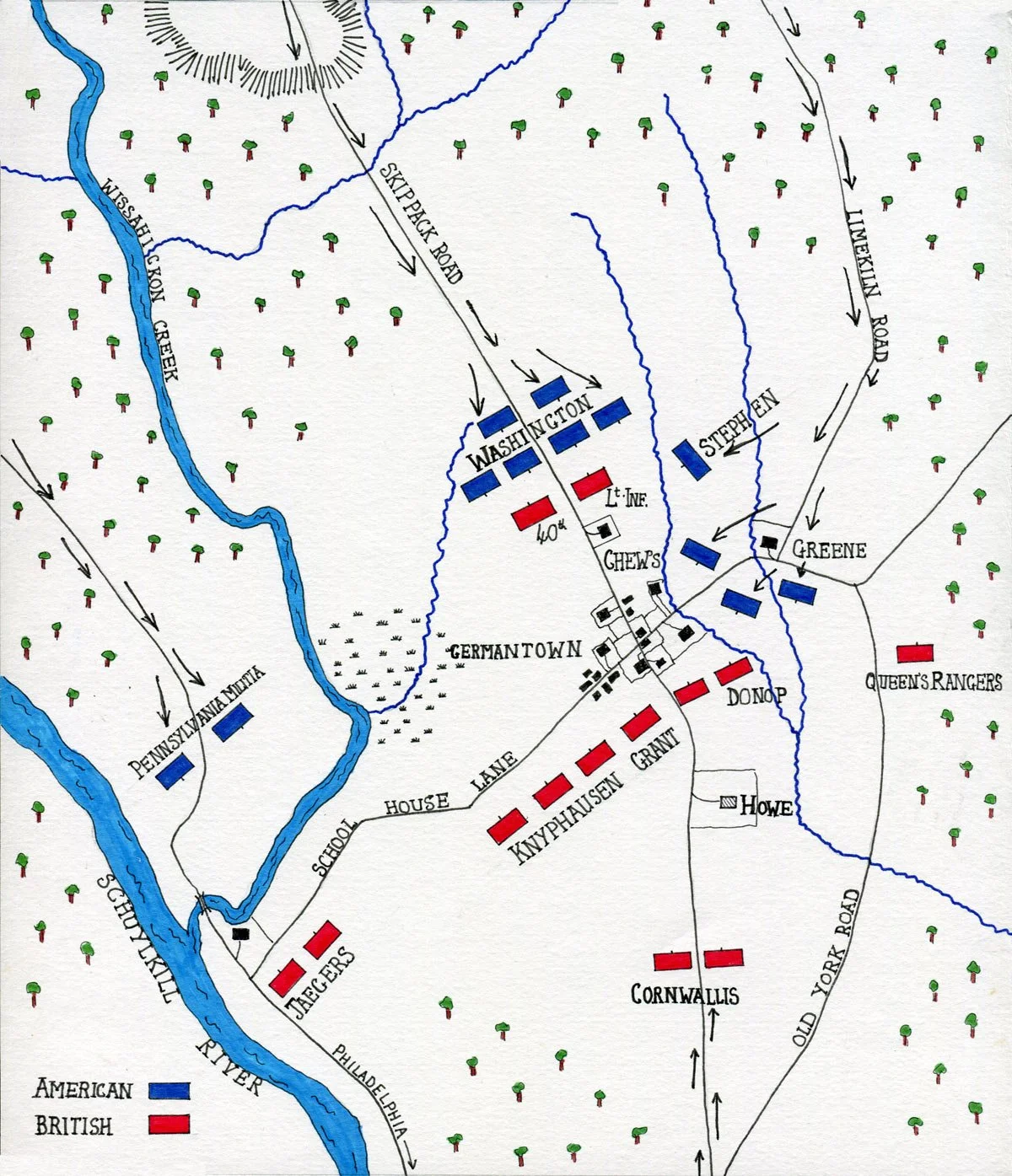
From Brandywine Creek to the Modern Battlefield traces how the Queen’s Rangers, founded by John Graves Simcoe during the American Revolutionary War, pioneered a tradition of speed, adaptability, and reconnaissance. From scouting hidden fords at Brandywine to adopting Indigenous methods of movement and ambush, the Rangers developed a uniquely North American style of warfare. That legacy lives on today in modern cavalry and armoured forces, where mobility, surprise, and intelligence remain decisive on the battlefield.

Read More

A Fireside Chat with Barb Thurston, Member of The Regimental Council of The Queen’s York Rangers and daughter of Jean Bell

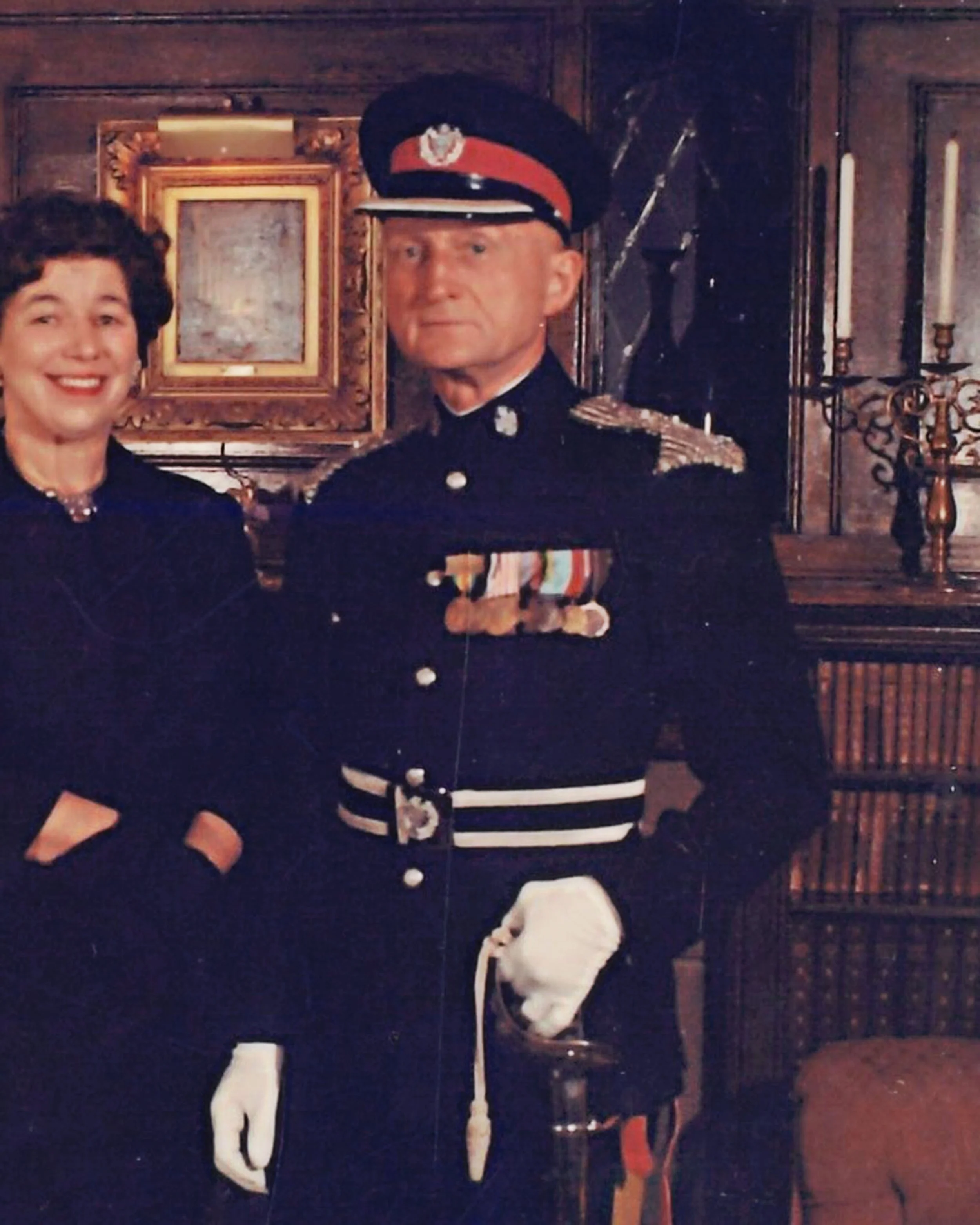
My mother, Jean Bell, loved a parade more than anyone else I know. She especially enjoyed seeing the soldiers of George's regiment, the Royal Canadian Dragoons, and later his adopted regiment, The Queen's York Rangers, in their patrol uniforms.

Read More

“The Art of Getting Drunk:” Martial Masculinity, Alcohol, and the British Army in the Canadas in the War of 1812 - Jesse Abbott

This thesis argues that alcohol consumption, both real and perceived, played a key role in the construction and negotiation of masculine identities within the British army in the Canadas during the early nineteenth century. Officers in particular proved their manliness and constructed their dual gentleman-officer identity not only by fighting well, but also by socializing and drinking well; by demonstrating what the famous moral essayist, Dr. Samuel Johnson, called “skill in inebriation,” or the “art of getting drunk.” An officer’s capability or skill in drinking with his fellow gentlemen-officers denoted manliness, while habitual or public drunkenness had the opposite effect. His polite consumption in both public and private social settings defined him as a gentleman, while his strong consumption on the battlefield fortified his constitution and facilitated his performance as a warrior. His heavy consumption with peers established his place within a hierarchy of manliness, and his condemnation of the propensity for drink and the drunken comportment of his perceived social inferiors established his position atop larger gendered, classed, and racialized hierarchies in colonial society. Officers constructed their own masculine identity in direct relation to those with whom they interacted, specifically enlisted soldiers (and NCOs), Indigenous allies, and American enemies, and these constructions were heavily informed by early nineteenth century perceptions of alcohol.

Read More

The Rangers Come Home - May 24th, 1919

The Rangers Come Home - May 24th, 1919

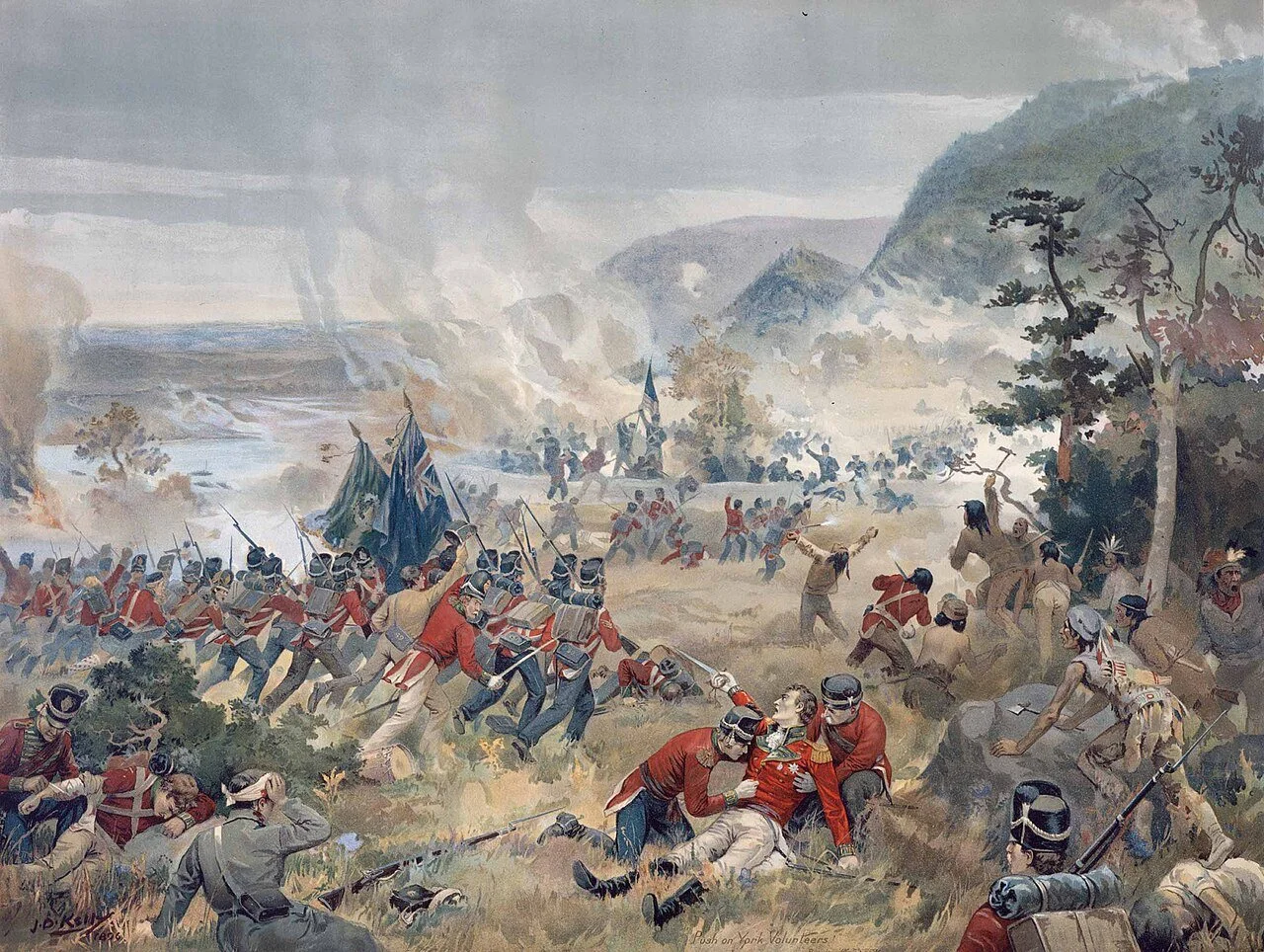
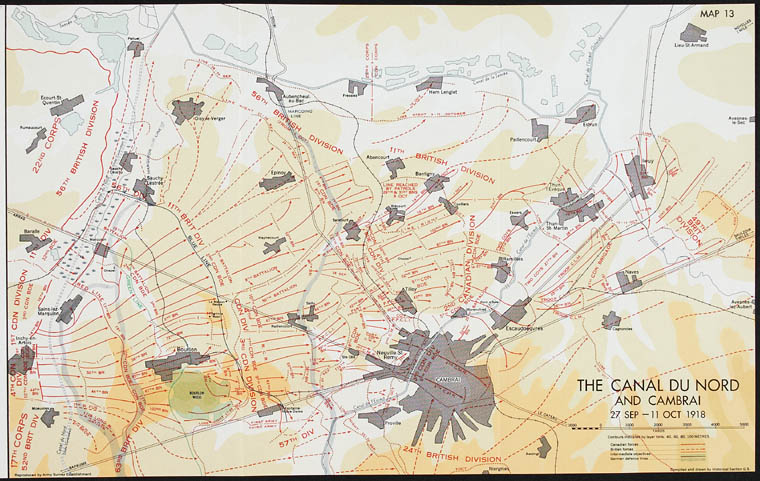
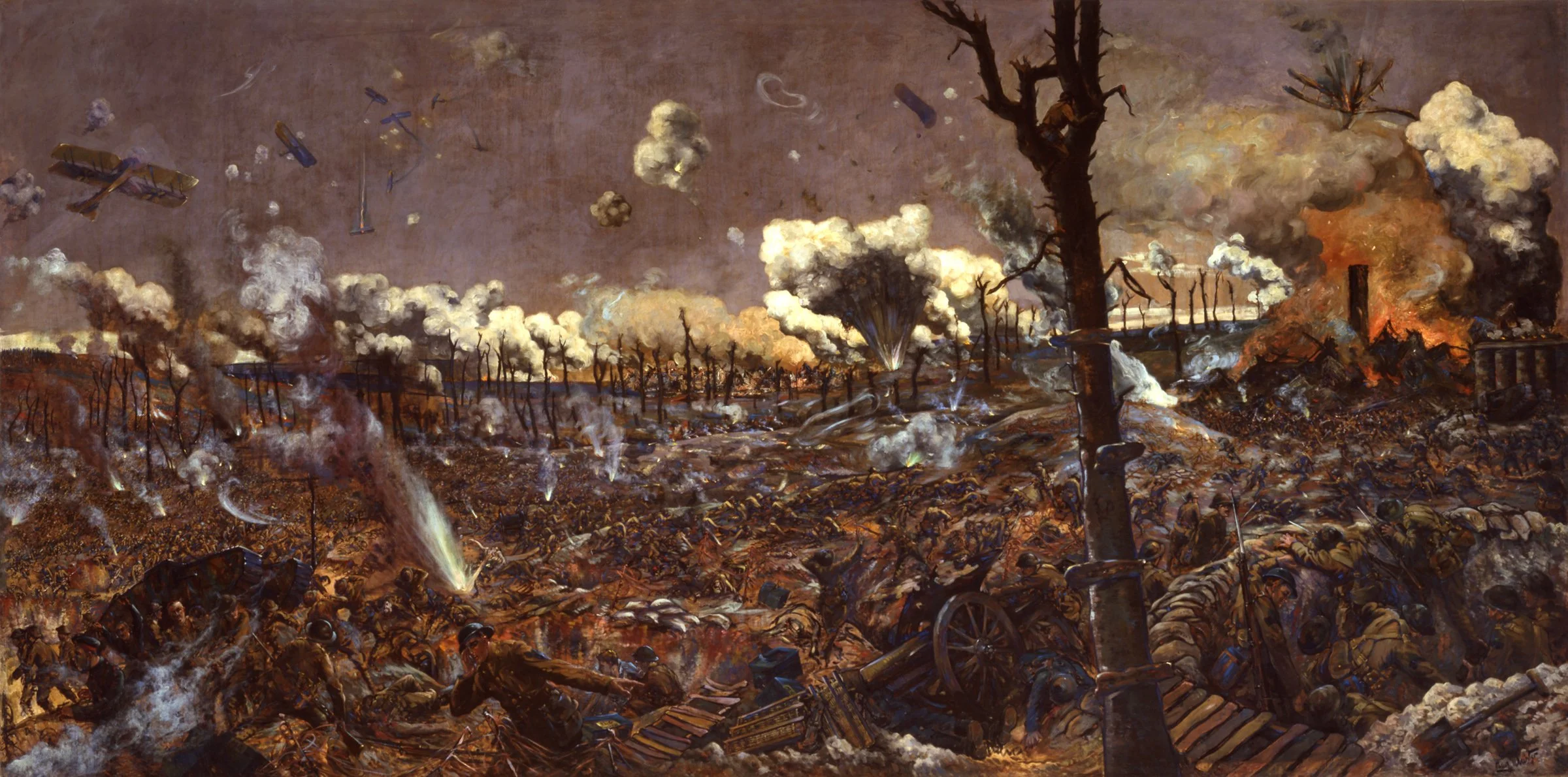
Regiments will long remember their days of toil and sweat, and especially those days of blood and tears.  Rangers can remember the starving march from Fort Saint Francis, the terrible glory at Brandywine or Queenston Heights, and there are many chapters from the First World War.

Read More

Peace Parade in London - May 3, 1919

Peace Parade in London - May 3, 1919

In 1919, the streets of London, England were graced with two victory parades to mark the Allied Victory in 1918.  The main event was held on July 21st, but the first one was held May 3rd and largely focused on the Dominion troops had responded to Britain’s call during the war.

Read More